Blog
The 12+ Best Free Email Marketing Services (2026 Review)
We reviewed and ranked the top 12+ free email marketing platforms. See which services offer the most contacts, features, and sending volume at no cost.

> TL;DR: The best free email marketing service is Sendgrove for its generous free plan that includes 2,000 contacts, 4,000 sends, and 200 free email validation credits per month. Other strong contenders are Brevo for its high sending limits and MailerLite for its ease of use.
Choosing an email marketing platform is a big decision, especially when you're starting out and need to keep costs low. The good news is that many of the best platforms offer feature-rich free plans that can take you a long way. But how do you pick the right one?
We've reviewed and ranked the top free email marketing services available today. We'll compare their sending limits, contact allowances, automation features, and unique benefits to help you find the perfect fit for your needs.
1. Sendgrove
Best for businesses that need powerful automation and free email validation.
Sendgrove takes the top spot because it offers a uniquely powerful free plan that goes beyond just sending emails. While most platforms treat email validation as a costly add-on, Sendgrove includes 200 free validation credits every month. This helps you keep your list clean and your deliverability high from day one, without an extra subscription.
Beyond validation, the free plan is generous. You get up to 2,000 contacts and 4,000 email sends per month, which is more than enough to get a new project off the ground. The platform includes a visual automation builder, advanced segmentation, and detailed analytics. Unlike some competitors, Sendgrove doesn't heavily restrict features on its free tier, giving you access to tools that can genuinely help you grow.
Key Features:
- Free Email Validation: 200 credits per month to remove invalid email addresses and protect your sender reputation.
- Generous Limits: 2,000 contacts and 4,000 sends per month.
- Powerful Automation: A visual workflow builder to create sophisticated, multi-step sequences.
- Advanced Segmentation: Group contacts based on behavior, demographics, and custom tags.
- Web Forms & Landing Pages: Create unlimited forms to capture new subscribers.
Pricing:
The free plan is robust. Paid plans starting around $9/month and scale with your needs, adding more sending credits, advanced features, and priority support. The credit-based system means you only pay for what you use, which is a flexible and cost-effective approach.
2. Brevo (formerly Sendinblue)
Best for high sending volume on a free plan.
Brevo is a powerhouse, offering a suite of marketing tools that extends beyond email to include SMS, chat, a CRM, and landing pages. Its biggest draw for the free plan is the high sending limit: you can send up to 300 emails per day (which adds up to 9,000 per month) to an unlimited number of contacts. This is one of the most generous sending allowances you'll find anywhere.
The trade-off is that the free plan includes Brevo branding on your emails and has some limitations on A/B testing and advanced reporting. However, the core email editor is user-friendly, and you still get access to basic marketing automation, transactional emails (a huge plus!), and detailed reporting.
Key Features:
- High Sending Limits: 300 emails per day (9,000/month) for free.
- Unlimited Contacts: No cap on the number of subscribers you can have.
- Transactional Emails: Send password resets, order confirmations, and other triggered emails for free.
- All-in-One Platform: Includes CRM, SMS marketing, and live chat tools even on the free plan.
- Advanced Segmentation: Create detailed segments to target your audience effectively.
Pricing:
While the free plan is excellent for sending volume, upgrading to a paid plan (starting from approximately $25/month) removes the daily sending cap and Brevo branding, and unlocks more advanced features like A/B testing, a landing page editor, and telephone support.
3. MailerLite
Best for ease of use and a modern, intuitive interface.
MailerLite is consistently praised for its simplicity and user-friendly design. If you're new to email marketing and want a platform that won't overwhelm you, this is an excellent choice. The drag-and-drop editor is clean and intuitive, making it easy to create beautiful newsletters and automations.
The free plan allows you to have up to 1,000 subscribers and send 12,000 emails per month. It also includes features that are often paid on other platforms, such as a landing page builder, website builder, and automation workflows. The free plan is surprisingly feature-rich, making it one of the best value offerings for beginners.
Key Features:
- Generous Limits: 1,000 subscribers and 12,000 emails per month.
- User-Friendly Interface: A clean, modern, and intuitive platform that's perfect for beginners.
- Website & Landing Page Builder: Create up to 10 landing pages or even a full website for free.
- Automation Workflows: Includes a visual automation builder on the free plan.
- Sign-up Forms & Pop-ups: Everything you need to grow your list.
Pricing:
MailerLite's free plan is very capable. Paid plans (starting around $10/month) unlock features like unlimited websites and landing pages, dynamic email content, and the ability to remove MailerLite branding. The pricing is competitive as you grow.
4. Mailchimp
Best for brand recognition and a familiar, reliable platform.
Mailchimp is one of the most well-known email marketing platforms, and its free plan has been a starting point for countless businesses. The platform is polished and reliable, with a straightforward email editor and a solid set of core features. For a long time, it was the default choice for free email marketing.
However, Mailchimp's free plan has become more restrictive over the years. It currently offers only 500 contacts and 1,000 email sends per month, with a daily limit of 500 sends. This is significantly lower than most other competitors on this list. The free plan also lacks access to A/B testing, advanced automation, and the support is limited to the first 30 days. While it's a great place to start and learn the ropes, you may find yourself outgrowing the free plan relatively quickly.
Key Features:
- Strong Brand & Interface: A well-known, trusted platform with a clean user experience.
- Core Email Marketing: Solid email editor, basic templates, and reporting.
- Marketing CRM: Basic contact management features are included.
- Creative Assistant: AI-powered tool to help you design visuals for your campaigns.
Pricing:
The free plan is quite limited at 500 contacts and 1,000 monthly sends. To get more features like A/B testing, automation, and higher limits, you'll need to upgrade to a paid plan. Paid plans start at a higher price point than many competitors, often beginning at approximately $20/month for the Essentials plan.
5. ConvertKit
Best for creators, bloggers, and solopreneurs.
ConvertKit is built specifically for the creator economy. Its features are designed to help you grow your audience and sell digital products and subscriptions. The platform's philosophy is centered around a subscriber-centric model, meaning you manage one list of contacts and use tags and segments to organize them, rather than juggling multiple lists.
The free plan lets you manage up to 1,000 subscribers and provides unlimited landing pages, forms, and email broadcasts. This is a great deal for creators who are focused on audience growth. However, the free plan does not include the visual automation builder or automated email sequences, which are ConvertKit's signature features. To unlock the platform's true power, you'll need to upgrade.
Key Features:
- Creator-Focused: Built for bloggers, podcasters, and online course creators.
- Unlimited Landing Pages & Forms: Create as many as you need to capture subscribers.
- Subscriber-Centric Model: Manage a single list with powerful tagging and segmentation.
- Digital Product Sales: Sell digital products and paid newsletters directly from the platform.
Pricing:
The free plan is great for audience building, supporting up to 1,000 subscribers. To access automated sequences and the visual automation builder, you need the Creator plan, which starting from $29/month. The Creator Pro plan adds advanced features like a newsletter referral system and subscriber scoring.
6. Selzy
Best for simple, no-fuss email campaigns.
Selzy offers a straightforward free plan for those who need basic email marketing without a lot of complexity. The free plan provides up to 1,500 monthly emails to 100 contacts. While the contact limit is low, it includes access to a good range of pre-designed templates, a simple email editor, and basic analytics.
One of Selzy's standout features is its focus on deliverability. Even on the free plan, they provide tips and checks to help improve your chances of landing in the inbox. The free plan is limited, but it's a solid starting point for very small businesses or personal projects that are just getting started and want to ensure their first sends are done right.
Key Features:
- Generous Sends for Small Lists: 1,500 emails for up to 100 contacts.
- Deliverability Focus: Tools and tips to help improve inbox placement.
- Template Library: A variety of pre-designed templates to get you started quickly.
- Basic Analytics: Track opens, clicks, and other essential metrics.
Pricing:
The free plan is a good entry point. Paid plans are affordable, starting around $10/month, and they unlock higher limits for contacts and emails, A/B testing, and more advanced segmentation features.
7. Sender
Best for a high-limit free plan with SMS/MMS capabilities.
Sender makes a strong impression with one of the most generous free-for-life plans on the market. You get up to 2,500 subscribers and can send up to 15,000 emails per month, which is a massive amount for a free service. Furthermore, all features are available to free users, including automation, push notifications, and even SMS/MMS marketing (though the SMS/MMS credits are paid).
The platform is straightforward and easy to use. The email editor is a simple drag-and-drop interface, and you get access to advanced features like cart abandonment emails and other automation workflows. The sheer volume of emails and subscribers, combined with a full feature set, makes Sender a top-tier choice for those who need to scale without immediately hitting a paywall.
Key Features:
- Extremely Generous Limits: 2,500 subscribers and 15,000 emails per month for free.
- All Features Included: No feature restrictions on the free plan.
- Omnichannel Marketing: Includes email, SMS/MMS, and push notifications in one platform.
- Advanced Automation: Create complex workflows without needing to upgrade.
Pricing:
The free plan is incredible. If you need to send more emails or manage more subscribers, paid plans are very competitive, starting from approximately $15/month for a higher sending allowance and a dedicated IP address.
8. Moosend
**Best for those who need a simple, reliable service (with a trial).
Moosend used to have a permanent free plan but has since shifted to a 30-day free trial. However, the trial is completely unrestricted, giving you access to all of their powerful features, which makes it an excellent way to test-drive a premium platform. During the trial, you can send unlimited emails and access features like the landing page builder, automation workflows, and advanced reporting.
While not a perpetually free plan, Moosend's trial is so comprehensive that it deserves a spot on this list for anyone serious about finding the right long-term platform. The platform is known for its intuitive interface and powerful segmentation and automation capabilities. If you anticipate needing a paid plan eventually, Moosend is a fantastic service to evaluate thoroughly before you commit.
Key Features:
- Unrestricted 30-Day Trial: Access all premium features from day one.
- Unlimited Emails: No sending cap during your trial period.
- Powerful Automation: Build complex, multi-step workflows with ease.
- Landing Page Builder: Create and publish high-converting landing pages.
Pricing:
After the 30-day trial, paid plans starting from an affordable $9/month, which includes the automation features and landing page builder. This makes it one of the most cost-effective paid plans on the market.
9. Omnisend
Best for ecommerce businesses looking for integrated features.
Omnisend is another platform with a strong focus on ecommerce. Its free plan is a good starting point for online stores, offering features designed to drive sales. You can have up to 250 contacts and send 500 emails per month. While the limits are low, the free plan includes features like professional-looking email templates, pop-ups and sign-up forms, and even pre-built automation workflows.
The real power of Omnisend lies in its tight integration with ecommerce platforms like Shopify, BigCommerce, and WooCommerce. Even on the free plan, you can set up product-picker blocks in your emails and use basic segmentation. If you run an online store and want a tool that understands your business, Omnisend is a great choice.
Key Features:
- Ecommerce-Centric: Designed for online stores with features to drive sales.
- Decent Starting Limits: 250 contacts and 500 emails per month.
- Pre-built Automations: Get started quickly with ready-to-use workflows.
- Pop-ups & Forms: Tools to help you grow your email list effectively.
Pricing:
The free plan is a solid entry for small stores. Paid plans (starting from approximately $16/month) offer a much higher sending limit, add SMS marketing, and unlock more advanced automation and segmentation features that are crucial for scaling an ecommerce business.
10. EmailOctopus
Best for a simple, no-frills experience with decent limits.
EmailOctopus is a popular choice for those who value simplicity and affordability. It offers a straightforward free plan that allows for up to 2,500 subscribers and 10,000 email sends per month. This is a very generous offering that gives you plenty of room to grow your list.
The platform provides a clean, easy-to-use email editor with a variety of templates. You can also create basic automation sequences, such as a welcome series, on the free plan. While it may lack some of the more advanced features of its competitors, EmailOctopus is a solid, reliable choice for users who need a simple and effective email marketing tool without a steep learning curve.
Key Features:
- High Subscriber Limit: Up to 2,500 subscribers for free.
- Generous Sending: 10,000 emails per month on the free plan.
- Simple Automation: Create basic automated workflows.
- Easy to Use: A clean and intuitive user interface.
Pricing:
The free plan is excellent for its limits. The Pro plan (starting from just $8/month) removes EmailOctopus branding, provides access to more advanced analytics, and offers priority support. It's one of the most affordable paid plans available.
11. HubSpot
Best for businesses that want an all-in-one marketing and sales platform.
HubSpot is a giant in the marketing software world, and its email marketing tool is just one part of a much larger ecosystem. The free plan is quite generous, offering up to 2,000 email sends per month and allowing you to store up to 1,000,000 contacts. The main draw here is that the email marketing tool is integrated with HubSpot's free CRM.
This means you can track your contacts' journey from the first time they visit your website to when they become a loyal customer. The free email tool itself is solid, with a good drag-and-drop editor and a variety of templates. While the 2,000 email/month limit can be restrictive, the power of the integrated CRM makes HubSpot's free offering incredibly compelling for businesses that are serious about sales and marketing alignment.
Key Features:
- Integrated CRM: The biggest selling point is the seamless integration with HubSpot's powerful free CRM.
- Generous Contact Limit: Store up to 1,000,000 contacts for free.
- Solid Email Editor: A user-friendly, drag-and-drop interface.
- All-in-One Platform: Part of a larger suite of free tools for marketing, sales, and service.
Pricing:
The free tools are a fantastic starting point. To get higher sending limits and unlock more advanced marketing automation features, you'll need to upgrade to the Marketing Hub Starter plan, which begins at a higher price point (approximately $45/month).
12. Zoho Campaigns
Best for users of the Zoho ecosystem.
For businesses already invested in the Zoho suite of products (like Zoho CRM), Zoho Campaigns is a natural fit. The free plan is respectable, allowing for up to 2,000 subscribers and 6,000 emails per month. It includes a good selection of pre-made templates and a drag-and-drop editor.
The key advantage is the seamless integration with other Zoho apps. If you use Zoho CRM, your contacts and data can be effortlessly synced, creating a unified view of your customer interactions. While the free plan's features are more basic compared to some others on this list, its value increases exponentially if you are a Zoho user.
Key Features:
- Zoho Ecosystem Integration: Perfect for users of Zoho CRM and other Zoho apps.
- Good Free Limits: 2,000 subscribers and 6,000 emails per month.
- Template Library: A solid collection of templates for various campaign types.
- Basic Reports: Track the performance of your email campaigns.
Pricing:
The free plan is a good starting point within the Zoho ecosystem. Paid plans are affordable and unlock features like marketing automation, advanced segmentation, and higher sending limits, with pricing often based on either subscriber count or email credits.
Free Email Marketing Services: Comparison Table
| Service | Monthly Sends | Subscribers | Key Free Feature | | :--- | :--- | :--- | :--- | | Sendgrove | 4,000 | 2,000 | 200 Free Email Validation Credits | | Brevo | 9,000 (300/day) | Unlimited | High Sending Volume & CRM | | MailerLite | 12,000 | 1,000 | Website & Landing Page Builder | | Mailchimp | 1,000 | 500 | Strong Brand Recognition | | ConvertKit| Unlimited (Broadcasts) | 1,000 | Unlimited Landing Pages | | Sender | 15,000 | 2,500 | Full Access to All Features | | Selzy | 1,500 | 100 | Deliverability Focus | | Moosend | Unlimited (30-day trial) | Unlimited (30-day trial) | Unrestricted Premium Trial |
How to Choose the Right Free Email Marketing Service
With so many great options, choosing the right one can feel overwhelming. Here are the key factors to consider to make the best decision for your specific needs:
- Contact and Sending Limits: This is the most important factor. Be realistic about how quickly you expect your list to grow and how often you plan to send emails. If you expect rapid growth, a service like Sender or Brevo with high or unlimited limits is a great choice. If your growth will be slower, a plan like Sendgrove's offers a great balance of features and limits.
- Included Features: Don't just look at the limits. Do you need automation? A landing page builder? Free stock photos? Make a list of your must-have features and check which free plans include them. Sendgrove stands out here by including free email validation, a crucial feature for long-term success.
- Scalability and Pricing: Think about the future. While the free plan might be perfect now, you will eventually need to upgrade. Look at the pricing for the next tier up. How much does it cost? What features does it unlock? A platform with affordable and predictable pricing will make your life easier down the road.
- Ease of Use: If you're new to email marketing, a platform with a clean, intuitive interface like MailerLite can save you a lot of headaches. Many platforms offer free trials or demos, so take advantage of them to see which one feels the most comfortable for you.
- Support: Support on free plans is often limited to email or a knowledge base. If you think you'll need more hands-on help, check what kind of support is offered and what the response times are like.
What Free Plans Usually Hide
Free email marketing plans look similar on a pricing page, but the limits that matter show up after you grow past a few hundred contacts. Before you commit, pressure-test these five areas:
- Sending ceiling vs contact ceiling — Some tools let you store more contacts than you can email each month. If you send weekly campaigns, the send cap is the real constraint.
- Automation depth — A free “automation” feature can mean a one-step welcome email or a full visual workflow builder. For lead nurturing, you want branching, delays, and behavioral triggers.
- List hygiene tooling — Bad addresses create bounces and hurt sender reputation. Prefer platforms that include validation credits or easy list cleaning, not only a suppression list after damage is done.
- Branding and deliverability knobs — Footer branding is normal on free plans. What matters more is whether you can authenticate domains (SPF/DKIM), manage unsubscribes cleanly, and avoid opaque “shared reputation” traps.
- Upgrade cliff — The best free plan is the one that does not force an expensive jump the moment you need one extra feature. Map the paid tier you would actually need in 3–6 months.
Free-plan decision checklist
- Can I send to my current list at least 2–4 times per month without hitting caps?
- Do I get automation beyond a single welcome email?
- Can I validate or clean uploads before the first campaign?
- Is domain authentication available on the free tier (or cheaply on the first paid tier)?
- Will I still like this tool if my list doubles?
If the answer to automation + hygiene is “not really,” start with a platform that includes those building blocks on day one — that is why Sendgrove ranks first in this roundup: free validation credits plus automation on the free plan reduce the usual starter-stack compromise.
Common myths about “free” ESPs
Myth: The highest send limit always wins. A 10,000-send free plan is useless if your list is dirty and messages land in spam. Clean data and authentication beat raw volume.
Myth: You should start on the cheapest tool and migrate later. Migrations cost time, break automations, and risk list fatigue. Pick a free plan with room to grow into automation and segmentation.
Myth: Personalization is only a paid feature. Even free plans usually support first-name merge tags. The better free stacks also support segments and behavior-based flows so personalization is not limited to the subject line.
For Sendgrove-specific product context, see email marketing, email validation, and automation. Pricing details live on Sendgrove pricing.
Free vs Paid: When to Upgrade
Stay on a free plan while your list is small, your campaigns are simple, and your sending volume fits the monthly caps. Upgrade when you need higher limits, remove branding, unlock advanced reporting, or run multi-brand workspaces. A practical rule: if you are hitting send caps two months in a row, or you need more than basic automation branches, price the next tier before your next launch.
Also compare total cost of ownership: validation tools, landing pages, and CRM add-ons can erase the savings of a “free” ESP. Bundled platforms reduce that stack tax.
Before you upgrade, export a sample campaign report and ask three questions: Are opens and clicks trending up after list cleaning? Are automations actually firing on the behaviors you care about? Are you blocked by a send or contact cap that a modest paid tier would remove? If two of those answers are yes, the paid plan usually pays for itself faster than shopping for another free tool.
Finally, treat free-plan branding and shared IPs as temporary trade-offs, not permanent strategy. Authenticate your domain as soon as the platform allows it, keep a consistent from-name, and move to dedicated sending reputation once volume justifies it. That path — clean data, authenticated sending, then scale — beats chasing the highest advertised free send limit.
Related reading: email list segmentation strategies and automated lead nurturing.
Quick Picks by Use Case
- Validation + marketing in one free stack: Sendgrove
- High free send volume: Brevo
- Simple drag-and-drop newsletters: MailerLite
- Creator / newsletter-first workflows: ConvertKit
- Ecommerce message flows: Omnisend
- Familiar brand with a limited free forever tier: Mailchimp
Use the comparison table above for limits, then re-check automation and hygiene features before you import your full list. A free plan that cannot protect deliverability will cost more in lost inbox placement than a slightly smaller send allowance on a cleaner platform.
FAQ
What's the catch with free email marketing services? There are a few trade-offs. Free plans always have limits on subscribers or sends. They will also place their own branding in the footer of your emails. Finally, the most advanced features (like complex automation, predictive sending, or dedicated support) are almost always reserved for paid plans.
Is it better to have more contacts or more sends? It depends on your strategy. If you have a small, highly-engaged list and you send emails frequently (e.g., a daily newsletter), you need a higher sending limit. If you have a large audience but only send an email once a month, a higher contact limit is more important. Evaluate your own needs to decide.
Can I connect my own domain for free? Yes, all reputable email marketing services will allow you to authenticate your own domain (e.g., you@yourbusiness.com) for free. This is essential for good deliverability and brand professionalism. You should never send bulk email from a free Gmail or Yahoo address.
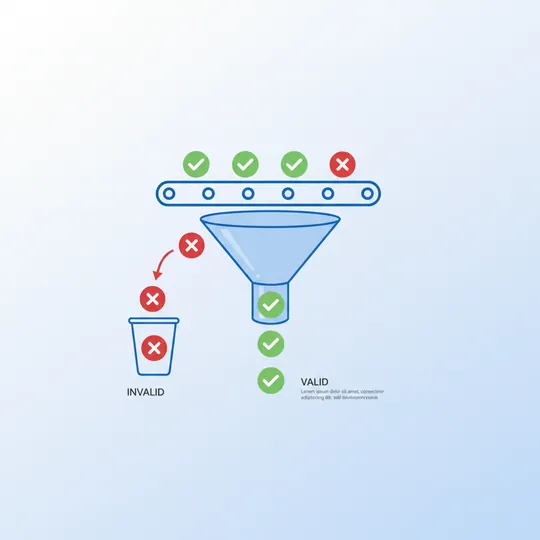
What is email validation and why is it important? Email validation is the process of verifying that an email address is real and can receive mail. Sending to invalid addresses results in high bounce rates, which damages your sender reputation and makes it more likely for your emails to land in the spam folder. Services like Sendgrove that include free validation credits are incredibly valuable because they help you maintain a healthy list from the very beginning.
Deeper Dive into Sendgrove's Free Plan
The true value of Sendgrove's free offering becomes clear when you move past the numbers and look at the strategic advantages it provides. The inclusion of email validation is not just a minor perk; it's a foundational element of good deliverability that usually costs extra. By giving you 200 free validation credits monthly, Sendgrove encourages best practices from the start, helping ensure your emails actually reach the inbox, which is the entire point of email marketing.
User Experience and Ideal User
The platform is designed to be powerful yet accessible. While it has an advanced automation builder that can create complex, multi-branching workflows, the interface is clean enough that a beginner won't feel lost setting up their first welcome series. This makes Sendgrove ideal for a specific type of user: the ambitious beginner or the savvy small business owner who wants a tool they can grow into, not out of. If you plan to move beyond simple newsletters and into behavior-triggered campaigns, Sendgrove's free plan gives you that capability without an immediate paywall.
Limitations and Trade-offs
No free plan is without its limits. While 2,000 contacts and 4,000 sends are generous, high-frequency senders (like daily newsletters) might approach the monthly sending limit faster than the contact limit. The primary trade-off is the Sendgrove branding in the email footer, which is standard for all free plans in the industry. However, given the access to premium features like automation and validation, it's a small price to pay.
Is a free email marketing plan enough for ecommerce?
It can be, if order volume is modest and you mainly need abandoned-cart or post-purchase basics. High-SKU catalogs usually outgrow free ecommerce automations faster.
Do free plans hurt deliverability?
Not automatically. Dirty lists, missing authentication, and sudden volume spikes hurt deliverability. Clean data and authenticated domains matter more than whether the plan is free.
Should startups start on Mailchimp because it is famous?
Brand familiarity helps, but limits and automation depth matter more. Compare free caps, validation, and workflow builders before defaulting to the most recognized logo.